ဂျကာတာ၊ ဇူလိုင် ၂၈ ရက် (ဆင်ဟွာ)
တရုတ်နိုင်ငံနှင့် အရှေ့တောင်အာရှနိုင်ငံများအသင်း (အာဆီယံ) တို့အကြား အပြန်အလှန် ဖြည့်စွက်ပံ့ပိုးနိုင်မှုက ဖွဲ့စည်းပုံအရ အဓိကကျသည်ဟု ကုလသမဂ္ဂ စက်မှုလုပ်ငန်း ဖွံ့ဖြိုးတိုးတက်ရေးအဖွဲ့ (UNIDO) တာဝန်ရှိသူတစ်ဦးက ပြောကြားခဲ့သည်။
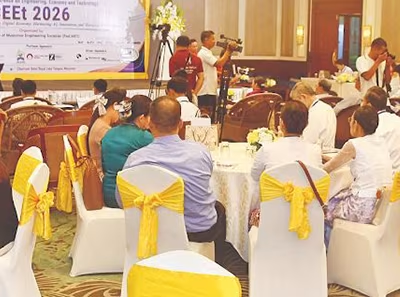
"တရုတ်နိုင်ငံရဲ့ ဝယ်လိုအားက အာဆီယံ ကုန်ထုတ်လုပ်ငန်းတွေကို ပိုပြီးတန်ဖိုးမြင့်တဲ့ စီးပွားရေးအခွင့်အလမ်းတွေဆီ ဆွဲဆောင်နိုင်တာမို့လို့ ဈေးကွက်တစ်ခုအနေနဲ့ တရုတ်နိုင်ငံရဲ့ ထူးခြားတဲ့ အခန်းကဏ္ဍက အရေးအကြီးဆုံးအချက် ဖြစ်နိုင်ပါတယ်" ဟု UNIDO နှင့် အာရှဖွံ့ဖြိုးရေးဘဏ်တို့က ပူးတွဲစီစဉ်ကျင်းပသည့် အခမ်းအနားတစ်ခုပြင်ပ၌ ဆင်ဟွာသတင်းဌာနနှင့် သီးသန့်တွေ့ဆုံမေးမြန်းခန်း၌ အင်ဒိုနီးရှား၊ အရှေ့တီမောနှင့် ဖိလစ်ပိုင်နိုင်ငံဆိုင်ရာ UNIDO ကိုယ်စားလှယ် မာကို ကာမိယာက ပြောကြားခဲ့သည်။
"ဒုတိယအချက်ကတော့ တရုတ်နိုင်ငံဟာ စက်ရုံအလုပ်ရုံတွေတင်မကဘဲ အရည်အသွေး မြှင့်တင်ပေးတာတွေ၊ သုတေသနနဲ့ဖွံ့ဖြိုးတိုးတက်မှုနဲ့ ကျွမ်းကျင်မှုတွေကိုပါ ပိုမိုမျှဝေပေးနိုင်တဲ့ ရင်းနှီးမြှုပ်နှံသူအဖြစ် လုပ်ဆောင်ပေးတာပါပဲ" ဟု ၎င်းက ပြောကြားခဲ့ကာ အစိမ်းရောင်ကုန်ထုတ်လုပ်မှု၊ လျှပ်စစ်သုံးမော်တော်ယာဉ် (EV) များ အားသွင်းခြင်းနှင့် ဒစ်ဂျစ်တယ်အခြေခံအဆောက်အအုံကဏ္ဍ၌ မိတ်ဖက်နိုင်ငံ တစ်နိုင်ငံဖြစ်သည့် တရုတ်နိုင်ငံအနေဖြင့် ဒေသတစ်ခုလုံး ချိတ်ဆက်ဆောင်ရွက်ခြင်းနှင့် ကုန်ကျစရိတ်လျှော့ချခြင်းတို့တွင် အထောက်အကူပေးနိုင်သည်ဟုလည်း ၎င်းက ဆိုသည်။
ကာမိယာ၏ လေ့လာတွေ့ရှိချက်များသည် UNIDO က ထုတ်ပြန်ခဲ့သည့် ၂၀၂၆ ခုနှစ် စက်မှုလုပ်ငန်း ဖွံ့ဖြိုးတိုးတက်မှုအစီရင်ခံစာ၏ တွေ့ရှိချက်များနှင့်လည်း ကိုက်ညီလျက်ရှိကာ ထိုအစီရင်ခံစာ၌ ကမ္ဘာကြီးသည် မကြုံဖူးလောက်သည့် အရှိန်အဟုန်ဖြင့် ပြောင်းလဲနေပြီး သိသာထင်ရှားသော ပြောင်းလဲမှုလားရာများကလည်း ကမ္ဘာလုံးဆိုင်ရာ စီးပွားရေးကို အသွင်သစ်ဖြင့် ပြန်လည်ပုံဖော်ပေးနေကြောင်း၊ အဆိုပါ အပြောင်းအလဲများက စိန်ခေါ်မှုများကိုသာမက မကြုံဖူးလောက်သည့် ဖွံ့ဖြိုးတိုးတက်မှု အခွင့်အလမ်းများကိုလည်း ဖြစ်ပေါ်စေကြောင်း အလေးအနက်ဖော်ပြထားသည်။
ထိုအစီရင်ခံစာက သိသာထင်ရှားသော အသွင်ပြောင်းလဲမှု လားရာငါးခုကို ဖော်ထုတ်ခဲ့ကာ အဆိုပါ လားရာများက စွမ်းအင်နှင့် အစိမ်းရောင်အသွင်ကူးပြောင်းမှု၊ ဉာဏ်ရည်တုနည်းပညာ (AI) ထွန်းကားလာမှု၊ ဒစ်ဂျစ်တယ်အသွင်ပြောင်းမှု၊ ကမ္ဘာလုံးဆိုင်ရာ တန်ဖိုးကွင်းဆက်များကို ပြန်လည်ချိန်ညှိမှု၊ လူဦးရေဆိုင်ရာ အပြောင်းအလဲများနှင့် အစားအသောက်စနစ်များ အသွင်ကူးပြောင်းမှုဟူသော စက်မှုအသွင်ပြောင်းမှု လှိုင်းသစ်တစ်ခုကို ဖြစ်ပေါ်စေလိမ့်မည်ဟု ဆိုသည်။
လမ်းကြောင်းပြောင်းလဲရန် အချိန်မနှောင်းသေးကြောင်း၊ ကုန်ထုတ်လုပ်ငန်းအား အဆိုပါ အသွင်ပြောင်းလဲမှု၏ ဗဟိုချက်၌ ထားရှိရမည်ဖြစ်ကြောင်းလည်း အစီရင်ခံစာ၌ ဖော်ပြထားသည်။
"အာဆီယံနိုင်ငံများအတွက် အရေးအကြီးဆုံး စိန်ခေါ်မှုအဆင့်မှာ အရင်းအနှီးနဲ့ နည်းပညာမဟုတ်ဘဲ လေ့လာအသုံးချနိုင်စွမ်းသာဖြစ်တယ်" ဟု ကာမိယာက ပြောကြားခဲ့ကာ အရှေ့တောင်အာရှဒေသအနေဖြင့် စက်ယန္တရားများ တင်သွင်းကာ နိုင်ငံခြားတိုက်ရိုက် ရင်းနှီးမြှုပ်နှံမှုကို ဆွဲဆောင်နိုင်သော်လည်း နည်းပညာ အသုံးချကာ လိုက်လျောညီထွေချိန်ညှိပြီး နောက်ဆုံးတွင် ထုတ်လုပ်နိုင်သည့် စွမ်းဆောင်ရည်မှာ ကျွမ်းကျင်မှု၊ စက်မှုလုပ်ငန်း အဖွဲ့အစည်းများနှင့် လုပ်ငန်းအဖွဲ့အစည်းအဆင့် စွမ်းဆောင်ရည်များအပေါ် မူတည်သည်ဟုလည်း မှတ်ချက်ပြုခဲ့သည်။ (Xinhua)
သတင်းအပြည့်အစုံကို ဖော်ပြပါလင့်ခ်မှတစ်ဆင့် ဝင်ရောက်ဖတ်ရှုနိုင်ပါသည်။
https://english.news.cn/20260726/4b0a1ed797044b758df76ab484183892/c.html
.................................................................................
(English Version)
China-ASEAN cooperation key to accelerating sustainable industrial development, says UNIDO official
JAKARTA, July 26 (Xinhua) -- The complementarity between China and the Association of Southeast Asian Nations (ASEAN) is structural, according to a United Nations Industrial Development Organization (UNIDO) official.
"China's unique role may be first, as a market, as its demand can pull ASEAN producers into higher-value niches," Marco Kamiya, UNIDO representative for Indonesia, Timor-Leste, and the Philippines, told Xinhua in an exclusive interview on the sidelines of an event jointly organized by UNIDO and the Asian Development Bank.
"Then, second, China acts as an investor that transfers not just factories but can increasingly improve capabilities, co-locating R&D and skills," he said, adding that as one of the partners in green manufacturing, electric vehicle (EV) charging, and digital infrastructure, China may help align and lower costs across the whole region.
Kamiya's observations are consistent with the findings of the Industrial Development Report 2026 released by UNIDO, which stressed that "the world is changing at an unprecedented pace as several megatrends are reshaping the global economy -- changes which present challenges, but also unprecedented opportunities for development."
The report identified five transformative megatrends that will unfold in a new wave of industrialization: the energy and green transition, the rise of artificial intelligence (AI) and digitalization, the reconfiguration of global value chains, demographic shifts, and the transformation of food systems.
The report said that "it is not too late to change course," and that "manufacturing must be placed at the heart of this transformation."
"The most critical bottleneck for ASEAN countries is not capital or technology; it is absorptive capacity," said Kamiya, noting that while Southeast Asia can import machines and attract foreign direct investment, the ability to adopt, adapt, and eventually generate technology depends on skills, industrial institutions, and firm-level capabilities.
https://english.news.cn/20260726/4b0a1ed797044b758df76ab484183892/c.html
English Caption
Representatives attending the China-ASEAN Foreign Ministers' Meeting pose for a group photo in Manila, the Philippines, July 22, 2026. (Xinhua/Rouelle Umali)