China
တရုတ်နှင့် အာဆီယံက ပိုမိုကြီးမားသော စီးပွားရေးပေါင်းစည်းမှု၊ နည်းပညာ၊ အစိမ်းရောင်စွမ်းအင် ပူးပေါင်းဆောင်ရွက်မှု၏ အကျိုးကျေးဇူးခံစားရ
ပေကျင်း၊ ဇန်နဝါရီ ၁၅ ရက် (ဆင်ဟွာ)
အရှေ့တောင်အာရှနိုင်ငံများအသင်း (ASEAN) နှင့် တရုတ်နိုင်ငံ၏ ဆက်ဆံရေးသည် အာရှတိုက်တွင် ဒေသတွင်းပူးပေါင်းဆောင်ရွက်မှု၏ အရေးပါသောမဏ္ဍိုင်အဖြစ် ဆင့်ကဲပြောင်းလဲလာခဲ့ကာ နက်ရှိုင်းသော ပေါင်းစည်းမှု၊ ထွန်းသစ်စနည်းပညာဆိုင်ရာ ပူးပေါင်းဆောင်ရွက်မှုနှင့် မဟာဗျူဟာအကျိုးစီးပွားမျှဝေမှုတို့ဖြင့် ထူးခြားသောအသွင်ဆောင်လျက်ရှိသည်။
တရုတ်နိုင်ငံနှင့် အာဆီယံအကြား စီးပွားရေးပူးပေါင်းဆောင်ရွက်မှုမှာ အသွင်ပြောင်းလဲလျက်ရှိပေသည်။ တရုတ်နိုင်ငံ၏ တရားဝင်အချက်အလက်များအရ နှစ်ဘက်ကြား ကုန်သွယ်မှုပမာဏမှာ ၂၀၂၄ ခုနှစ်က အမေရိကန်ဒေါ်လာ ၉၈၂ ဘီလီယံအထိ ရောက်ရှိခဲ့ကာ တရုတ်နိုင်ငံက ၁၆ နှစ်ဆက်တိုက် အာဆီယံ၏ ကုန်သွယ်ရေးမိတ်ဖက်လည်း ဖြစ်စေခဲ့သည်။
တိုးတက်မှု၏ အုတ်မြစ်မှာ ၂၀၂၂ ခုနှစ်တွင် အသက်ဝင်လာခဲ့သော ဒေသတွင်း ဘက်စုံစီးပွားရေးမိတ်ဖက်ဆက်ဆံမှု (RCEP) ပင် ဖြစ်ပြီး သာယာဝပြောမှု၊ ကြံ့ကြံ့ခံမှုနှင့် စဉ်ဆက်မပြတ်ဖြစ်မှုဆီသို့ ပိုမိုနက်ရှိုင်းစွာ ပူးပေါင်းဆောင်ရွက်ရေးအတွက် အခြေခံအဖြစ်လည်း ပံ့ပိုးပေးလျက်ရှိသည်။
RCEP သည် အာဆီယံအဖွဲ့ဝင် ၁၀ နိုင်ငံကို တရုတ်၊ ဂျပန်၊ တောင်ကိုရီးယား၊ ဩစတြေးလျ၊ နယူးဇီလန် စသည့်နိုင်ငံများနှင့် ပေါင်းစည်းပေးကာ လူဦးရေနှင့် ဂျီဒီပီဝေစုအရ ကမ္ဘာပေါ်တွင် အကြီးဆုံး လွတ်လပ်သောကုန်သွယ်ရေးဇုန် ဖြစ်လာစေခဲ့သည်။
စည်းကြပ်ခွန်သက်သာခြင်းနှင့် ကုန်သွယ်ရေးစည်းမျဉ်းများ သဟဇာတဖြစ်ခြင်းများကြောင့် RCEP သည် ဒေသတွင်း ကုန်သွယ်ရေးကို သိသိသာသာ ပိုမိုမြှင့်တင်ပေးကာ ဒေသတွင်းပေါင်းစည်းမှု ထောက်ပံ့ကွင်းဆက်များကိုလည်း ပိုမိုအားကောင်းစေမည်ဟု ခန့်မှန်းထားသည်။
RCEP နှင့်အတူ ၂၀၂၅ ခုနှစ် အောက်တိုဘာလတွင် ကျင်းပခဲ့သော ၂၈ ကြိမ်မြောက် အာဆီယံ-တရုတ် ထိပ်သီးအစည်းအဝေးတွင် လက်မှတ်ရေးထိုးခဲ့သည့် တရုတ်-အာဆီယံ လွတ်လပ်သောကုန်သွယ်ရေးဧရိယာ (CAFTA) ကလည်း CAFTA ၃.၀ အရ သိသိသာသာ အဆင့်မြှင့်တင်ခဲ့ပြီးဖြစ်သည်။
ဗားရှင်းအသစ်က စည်းကြပ်ခွန်လျှော့ချခြင်းအပြင် သမားရိုးကျ ကုန်သွယ်ရေး သဘောတူစာချုပ်များကို ကျယ်ပြန့်စေရန် တိုးချဲ့ပေးခဲ့သည်။ ဒစ်ဂျစ်တယ်စီးပွားရေး၊ အစိမ်းရောင်စီးပွားရေးနှင့် ထောက်ပံ့ကွင်းဆက်ကွန်ရက်ချိတ်ဆက်မှုနှင့် အခြားကဏ္ဍများအပြင် CAFTA ၃.၀ ကလည်း ကမ္ဘာကြီးမသေချာမရေရာမှုဖြစ်ပွားနေခိုက် စုပေါင်းကြံ့ကြံ့ခံမှု ခိုင်မာအားကောင်းစေသော စီးပွားရေးပူးပေါင်းဆောင်ရွက်ရေး၌ သမိုင်းမှတ်တိုင် အထိမ်းအမှတ်လည်း ဖြစ်သည်။
တရုတ်နိုင်ငံက ကမ္ဘာတစ်ခွင် ကိုယ်ကျိုးစီးပွားကာကွယ်ရေးဝါဒ မြင့်တက်လာချိန်တွင် လွတ်လပ်သော ကုန်သွယ်ရေးနှင့် နိုင်ငံစုံစည်းမျဉ်းများအတွက် ထောက်ခံအားပေးကြောင်း အလေးထားဖော်ပြသည်နှင့်အမျှ အာဆီယံက တရုတ်နိုင်ငံနှင့် နက်ရှိုင်းသောဆက်ဆံရေးက ပွင့်လင်းသောဈေးကွက်များထံ စဉ်ဆက်မပြတ် ကတိကဝတ်ကို အချက်ပြလျက်ရှိသည်။
တရုတ်နိုင်ငံနှင့် အာဆီယံသည် ထောက်ပံ့ကွင်းဆက်ကြံ့ကြံ့ခံမှု၊ နည်းပညာဆိုင်ရာ ပူးပေါင်းဆောင်ရွက်မှုနှင့် ထောက်ပံ့ကွင်းဆက်များဆိုင်ရာ ပူးပေါင်းဆောင်ရွက်မှုကိုလည်း တက်ကြွစွာ လုပ်ဆောင်ခဲ့သည်။
ကမ္ဘာ့အကြီးဆုံး ကုန်ထုတ်လုပ်မှုအခြေခံဖြစ်သည့်အားလျော်စွာ တရုတ်နိုင်ငံသည် ကမ္ဘာလုံးဆိုင်ရာ စက်မှုလုပ်ငန်းကွန်ရက်များအတွက် ကျောက်ဆူးဖြစ်သလို အာဆီယံကလည်း အီလက်ထရောနစ်၊ အစိတ်အပိုင်းများထုတ်လုပ်ခြင်းနှင့် အဆင့်မြင့်တပ်ဆင်ခြင်း စသည့်ကဏ္ဍများ၌ အရေးပါသည့် ကုန်ထုတ်လုပ်မှုအချက်အချာအဖြစ်လည်း ပါဝင်ဆောင်ရွက်လျက်ရှိသည်။
ထို့ပြင် နည်းပညာပူးပေါင်းဆောင်ရွက်မှုမှာလည်း တိုးတက်မှု၏ နောက်ထပ်မဏ္ဍိုင်တစ်ရပ်ပင် ဖြစ်သည်။
5G ကွန်ရက်များ၊ ဉာဏ်ရည်တုနှင့် ဒစ်ဂျစ်တယ်ငွေကြေးဝန်ဆောင်မှုများ အစရှိသည့်နယ်ပယ်များ၌ တရုတ်နိုင်ငံ၏ ဦးဆောင်မှုမှာ အာဆီယံရှိ ဒစ်ဂျစ်တယ်စီးပွားရေးကို ပြည့်စုံမှုဖြည့်စွမ်းပေးခဲ့ကာ ၂၀၃၀ ပြည့်နှစ်တွင် အမေရိကန်ဒေါ်လာ ၁ ထရီလီယံကျော် ရှိလာမည်ဟု ခန့်မှန်းထားသည့် အလားအလာကောင်းသော ဈေးကွက်တစ်ခုဖြစ်သည်။ (Xinhua)
သတင်းအပြည့်အစုံကို ဖော်ပြပါလင့်ခ်တွင် ဝင်ရောက်ဖတ်ရှုနိုင်ပါသည်။ xhtxs.cn/9w7
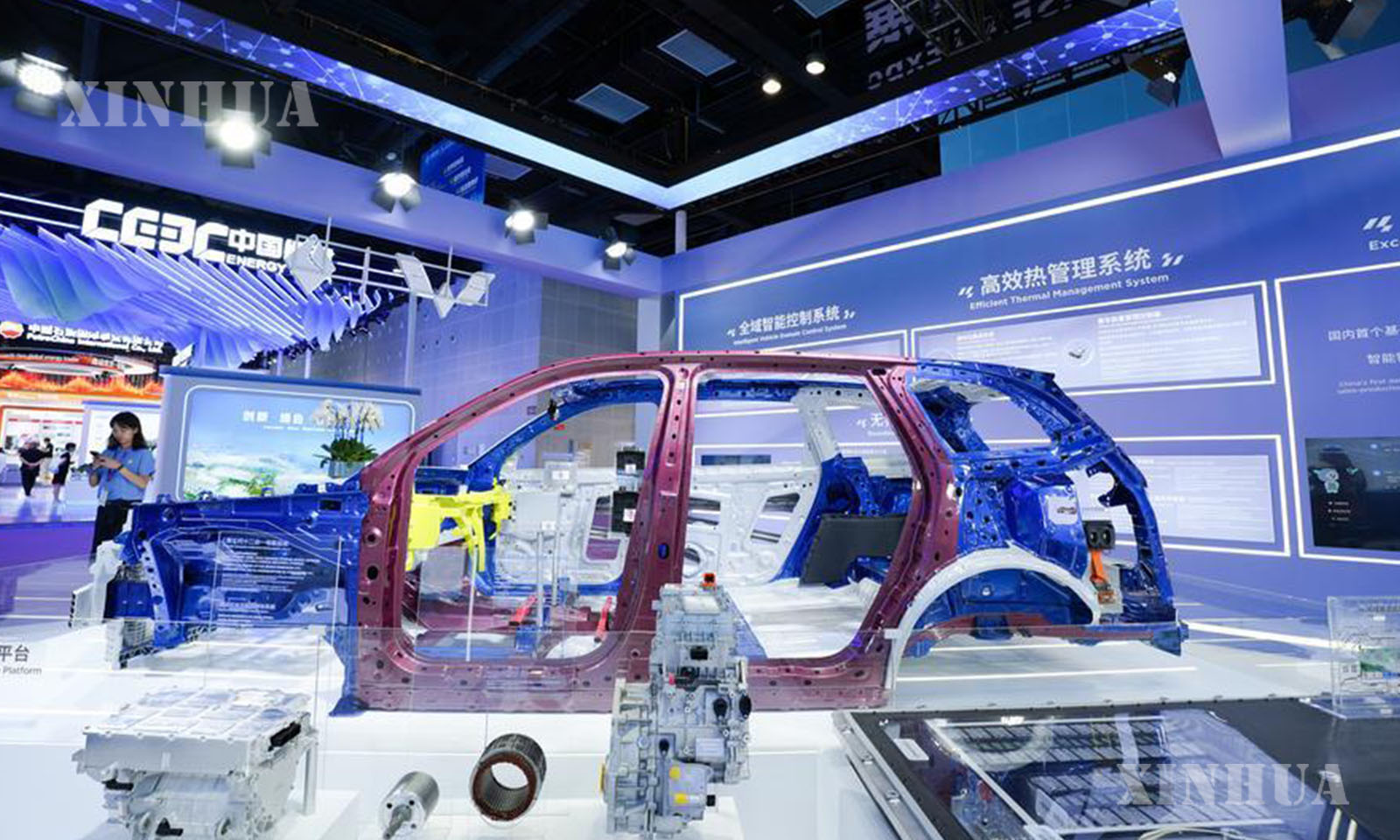
တရုတ်နိုင်ငံ တောင်ပိုင်း ကွမ်ရှီးကျွမ့် ကိုယ်ပိုင်အုပ်ချုပ်ခွင့်ရဒေသ မြို့တော် နန်နင်းရှိ နန်နင်း နိုင်ငံတကာကွန်ဗင်းရှင်းနှင့် ပြပွဲစင်တာတွင် လျှပ်စစ်ကားပြခန်းကို ၂၀၂၅ ခုနှစ် စက်တင်ဘာ ၁၉ ရက်က တွေ့ရစဉ် (ဆင်ဟွာ)
……………………………………..
(English Version)
China, ASEAN enjoy greater economic integration, technological, green energy cooperation
China’s relationship with the Association of Southeast Asian Nations (ASEAN) has evolved into a pivotal pillar of regional cooperation in Asia, characterized by deep economic integration, emerging technological collaboration and shared strategic interests.
Economic cooperation between China and ASEAN has been transformative. Official Chinese data showed that bilateral trade volume hit 982 billion U.S. dollars in 2024, making China the largest trading partner of ASEAN for 16 consecutive years.
A cornerstone of this progress is the Regional Comprehensive Economic Partnership (RCEP), which came into force in 2022, providing a foundation for deeper cooperation toward prosperity, resilience, and sustainability.
RCEP binds ASEAN’s 10 members with China, Japan, South Korea, Australia and New Zealand into the largest free trade zone in the world by population and GDP share.
By lowering tariffs and harmonizing trade rules, RCEP is estimated to further boost intra-regional trade significantly and strengthen integrated regional supply chains.
Alongside RCEP, the China-ASEAN Free Trade Area (CAFTA) has been significantly upgraded under CAFTA 3.0, which was signed at the 28th ASEAN-China Summit in October 2025.
The new version expands the traditional trade pact far beyond tariff reduction. With nine new areas covering the digital economy, green economy and supply chain connectivity, among others, CAFTA 3.0 marks a milestone in economic cooperation that strengthens collective resilience amid global uncertainty.
As China emphasizes support for free trade and multilateral rules at a time of rising protectionism globally, ASEAN’s deepening ties with China signal its sustained commitment to open markets.
China and ASEAN have actively pursued cooperation on supply chain resilience, technological collaboration and logistics.
As the world’s largest manufacturing base, China anchors global industrial networks, as ASEAN increasingly serves as a critical production hub in electronics, parts manufacturing and advanced assembly.
Technological cooperation is another growing pillar.
China’s leadership in 5G networks, artificial intelligence and digital financial services complements the digital economy in ASEAN, a promising market which is projected to exceed 1 trillion dollars by 2030. xhtxs.cn/9w7
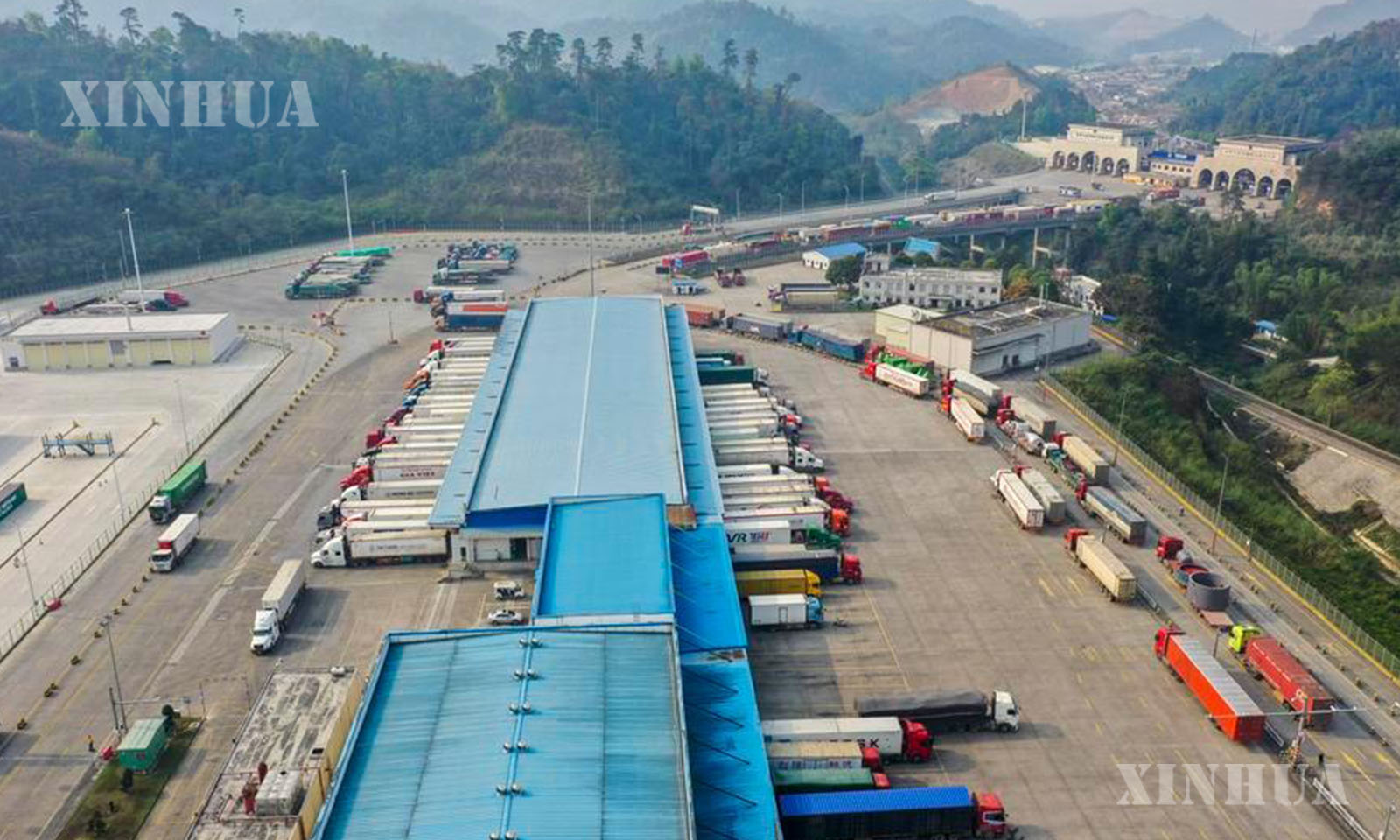
Photo 1: An aerial drone photo taken on March 21, 2025 shows trucks loaded with agricultural products from China and ASEAN countries at the Friendship Pass Port in Pingxiang, south China’s Guangxi Zhuang Autonomous Region. (Xinhua/Cao Yiming)
Photo 2: This photo taken on Sept. 19, 2025 shows a booth of the electric vehicles at the Nanning International Convention and Exhibition Center in Nanning, capital of south China’s Guangxi Zhuang Autonomous Region. (Xinhua/Zhou Tinglu)