
Africa & Middle East
OPEC နှင့် OPEC+ အဖွဲ့မှ ယူအေအီးနိုင်ငံ နုတ်ထွက်ရသည့်အကြောင်းရင်း

ကိုင်ရို၊ ဧပြီ ၃၀ ရက် (ဆင်ဟွာ)
အာရပ်စော်ဘွားများပြည်ထောင်စု (UAE) က ဒေသတွင်း အင်အားကြီးနိုင်ငံများ၏ စွမ်းအင်မဟာဗျူဟာများကို စောင့်ကြည့်ပြီးနောက် မေလ ၁ ရက်တွင် အသက်ဝင်မည့် ရေနံတင်ပို့သောနိုင်ငံများအသင်း (OPEC) နှင့် ပိုမိုကျယ်ပြန့်သော OPEC+ မဟာမိတ်အဖွဲ့များမှ နုတ်ထွက်ရန်ဆုံးဖြတ်ချက်ကို ဧပြီ ၂၈ ရက်၌ ကြေညာခဲ့သည်။ယူအေအီးနိုင်ငံက ကမ္ဘာ့အရေးပါဆုံး ရေနံမဟာမိတ်အဖွဲ့များမှ အဘယ်ကြောင့်နုတ်ထွက်ရသနည်း။ ယူအေအီးက နုတ်ထွက်ကြောင်းဆုံးဖြတ်ချက်ချဖြစ်ခဲ့ရသည့် ဒေသတွင်းက သဘောမတူညီမှုက အဘယ်နည်း။ ကမ္ဘာ့ရေနံအဓိက ထုတ်လုပ်သောနိုင်ငံဖြစ်သည့်အားလျော်စွာ ယင်းအဖွဲ့များမှ ယူအေအီးနိုင်ငံ၏ နုတ်ထွက်မှုက မည်သည့်အကျိုးဆက်ဖြစ်လာမည်နည်း။
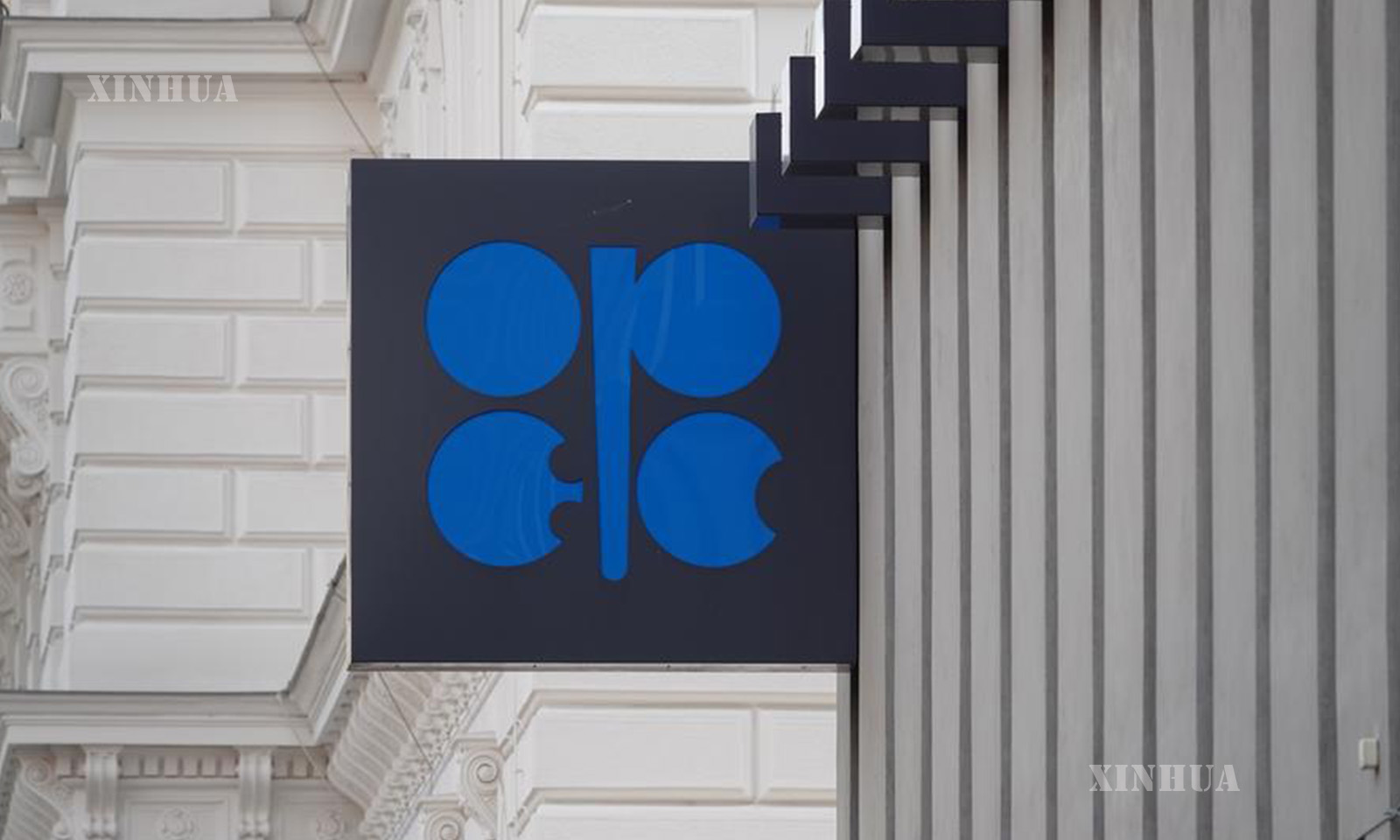
ဩစတြီးယားနိုင်ငံ ဗီယင်နာမြို့ရှိ ရေနံတင်ပို့သောနိုင်ငံများအသင်း (OPEC) ရုံးချုပ်ကို ၂၀၂၃ ခုနှစ် နိုဝင်ဘာ ၃၀ ရက်က တွေ့ရစဉ် (ဆင်ဟွာ)
ယူအေအီးနိုင်ငံက အဘယ်ကြောင့် နုတ်ထွက်ရသနည်း၁၉၆၀ ပြည့်နှစ်တွင် စတင်ထူထောင်ထားသော အိုပက် (OPEC) အဖွဲ့သည် ကမ္ဘာ့အကြီးဆုံး ရေနံတင်ပို့သောနိုင်ငံများအသင်းဖြစ်ပြီး ကမ္ဘာ့ရေနံရောင်းလိုအားနှင့် ဈေးနှုန်းများကို ထိန်းညှိရန် ရေနံထုတ်လုပ်မှုအား ညှိနှိုင်းဆောင်ရွက်ပေးလျက်ရှိသည်။
တရားဝင် Emirates News Agency (WAM) မှ ထုတ်ပြန်သော သတင်းထုတ်ပြန်ချက်အရ ယူအေအီးနိုင်ငံက ၎င်းတို့နိုင်ငံ၏ ရေနံထုတ်လုပ်မှုမူဝါဒ၊ လက်ရှိနှင့် အနာဂတ် စွမ်းဆောင်ရည်ကို ဘက်စုံပြန်လည်သုံးသပ်ပြီးနောက် ထိုသို့ဆုံးဖြတ်လိုက်ခြင်းဖြစ်ပြီး ယူအေအီးနိုင်ငံ၏ အကျိုးစီးပွား၊ ဈေးကွက်၏ လိုအပ်ချက်များနှင့် ကိုက်ညီစေရန် ထိထိရောက်ရောက် ပံ့ပိုးပေးနိုင်ရေးကတိ စသည်တို့ပေါ် အခြေခံထားခြင်းဖြစ်သည်။ အဆိုပါ ထုတ်ပြန်ချက်မှာ အိုပက်အဖွဲ့မှ နုတ်ထွက်လိုက်ခြင်းအားဖြင့် ရေနံထုတ်လုပ်မှုကန့်သတ်ချက်များနှင့် ယင်းနိုင်ငံ၏ ရေနံထုတ်လုပ်မှုအပေါ် တင်းကြပ်မှုများကို ဖယ်ရှားလိုသည့် ယူအေအီးနိုင်ငံ၏ ဆန္ဒကို ဖော်ပြလိုက်ခြင်းလည်း ဖြစ်ကြောင်း လေ့လာဆန်းစစ်သူများက ယူဆထားသည်။
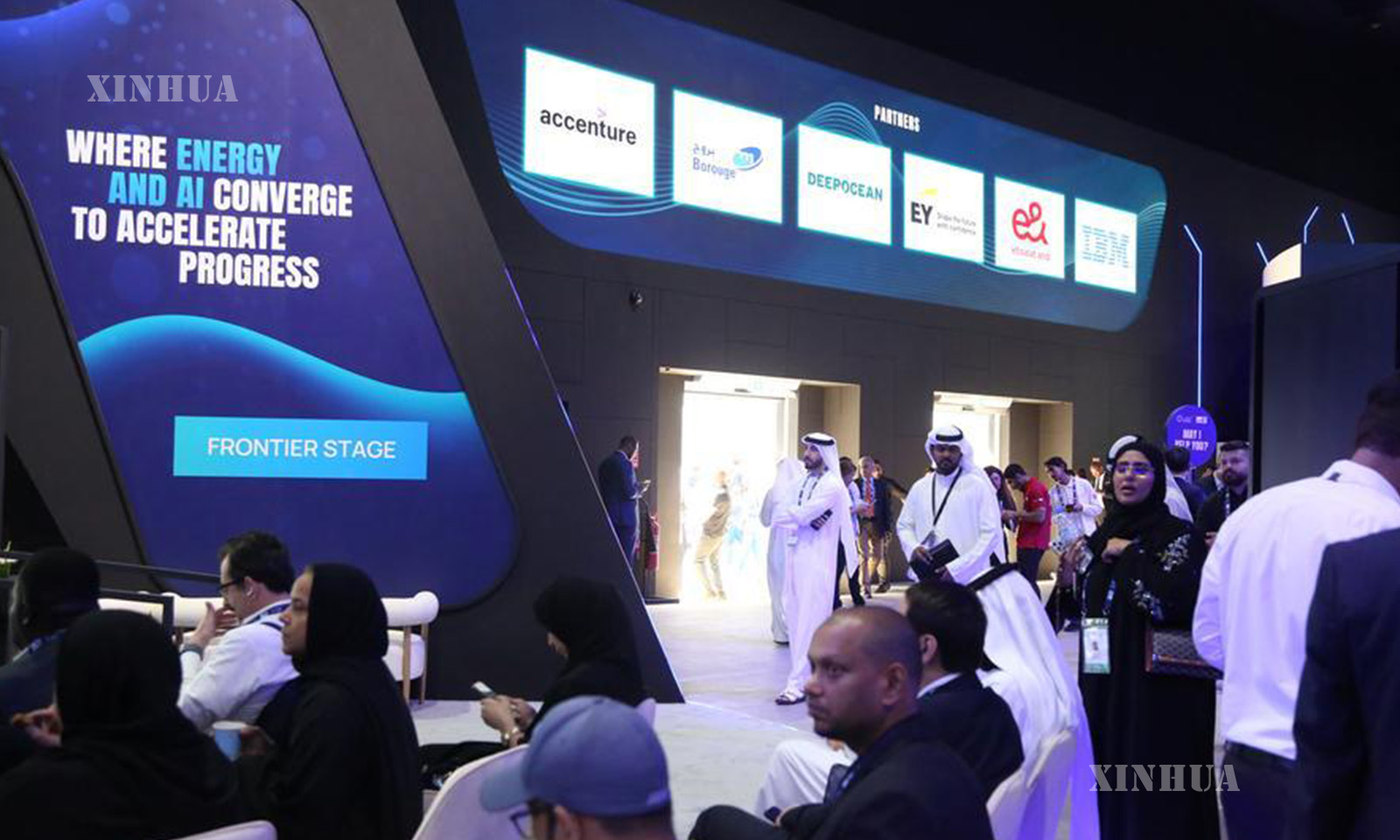
အာရပ်စော်ဘွားများပြည်ထောင်စု၊ အဘူဒါဘီမြို့ရှိ ၄၁ ကြိမ်မြောက် အဘူဒါဘီ နိုင်ငံတကာ ရေနံပြပွဲနှင့် ကွန်ဖရင့် (ADIPEC) ပြပွဲဧရိယာကို ၂၀၂၅ ခုနှစ် နိုဝင်ဘာ ၃ ရက်က တွေ့ရစဉ် (ဆင်ဟွာ)
အိုပက်က တစ်နေ့လျှင် ရေနံစည်ပေါင်း ၅ သန်းနီးပါအထိ ထုတ်လုပ်နိုင်သော ယူအေအီးနိုင်ငံ၏ ရေနံထုတ်လုပ်မှုပမာဏကို တစ်နေ့လျှင် ရေနံစည် ၃.၂ သန်းခန့်သာ အများဆုံးထုတ်လုပ်ရန် မကြာသေးမီက ကန့်သတ်လိုက်ကြောင်း ဒူဘိုင်းမြို့အခြေစိုက် Qamar Energy အကြံပေးကုမ္ပဏီ၏ အမှုဆောင်အရာရှိ ရော်ဘင်မေးလ်စ်က စီအင်န်အင်န်သတင်းဌာနကို ပြောသည်။
Carnegie Russia Eurasia Center အဆင့်မြင့်ပညာရှင် ဆာဂေး ဗာကူလန်ကိုက “ယူအေအီးက ရေနံထုတ်လုပ်မှုကို ၃၀ ရာခိုင်နှုန်းအထိ တိုးမြှင့်ထုတ်လုပ်ဖို့ လျာထားတာရှိတယ်။ ဒါပေမဲ့ အိုပက်နဲ့ OPEC+ အဖွဲ့ရဲ့ ကန့်သတ်မှုတွေထဲမှာတော့ ခက်ခဲနေမှာပေါ့” ဟု ပြောသည်။
ထို့ပြင် တရုတ်နိုင်ငံ ရှန်ဟိုင်း နိုင်ငံတကာလေ့လာရေးတက္ကသိုလ်၊ အရှေ့အလယ်ပိုင်းရေးရာ ကျွမ်းကျင်သူ ပေါင်းချိန်ကျန်းကလည်း လက်ရှိဖြစ်ပွားနေတဲ့ ဟော်မုဇ်ရေလက်ကြား နှောင့်နှေးကြန့်ကြာမှုများအကြား ယူအေအီးအနေဖြင့် အိုပက်အဖွဲ့၏ ကန့်သတ်ပမာဏစနစ်မှ လွတ်မြောက်ရန်၊ နိုင်ငံ၏ ထုတ်လုပ်မှုစွမ်းရည် အလဟဿဖြစ်နေမှုကို ရုန်းထွက်နိုင်ရန်၊ လက်ရှိဖြစ်ပွားနေသော ပဋိပက္ခဒဏ်သက်ရောက်မှုမရှိသော ဖူဂျိုင်ရာဆိပ်ကမ်းကို အသုံးချ၍ ရေနံထုတ်လုပ်မှုကို ပိုမိုပြောင်းလွယ်ပြင်လွယ်ဖြစ်အောင် ချိန်ညှိနိုင်ရန် ရည်ရွယ်ထားခြင်းဖြစ်ကြောင်း ယူဆထားသည်။
ကာလရှည်တည်ရှိခဲ့သော သဘောထားကွဲလွဲမှု ပေါက်ကွဲလာခြင်းယူအေအီးနိုင်ငံအနေဖြင့် အဆိုပါ ဆုံးဖြတ်ချက် မချမီက အခြား အိုပက်အဖွဲ့ဝင်နိုင်ငံများနှင့် အကြံပြုဆွေးနွေးခဲ့ခြင်း ရှိမရှိနှင့်စပ်လျဉ်း၍ မေးမြန်းရာတွင် ယူအေအီးနိုင်ငံ စွမ်းအင်ဝန်ကြီး Suhail Mohamed Al Mazrouei က ၎င်းတို့နိုင်ငံအနေဖြင့် ယင်းကိစ္စကို အခြားသောနိုင်ငံများနှင့် ဆွေးနွေးခဲ့ခြင်းမရှိကြောင်းနှင့် ယခုကဲ့သို့ နုတ်ထွက်မှုမှာ “အချုပ်အခြာအာဏာပိုင်” နိုင်ငံတစ်နိုင်ငံ၏ ဆုံးဖြတ်ချက်ဖြစ်သည်ဟု မီဒီယာများအား ပြောကြားခဲ့သည်။ တကယ့်လက်တွေ့တွင်မူ အဓိကကျသော အိုပက်အဖွဲ့ဝင်ဖြစ်သည့် ယူအေအီးနိုင်ငံမှာ အထူးသဖြင့် အိုပက်၏ ခွဲတမ်းပမာဏပေါ်အခြေခံထားသည့် စီမံခန့်ခွဲမှုစနစ်နှင့်ပတ်သက်၍ အခြားသောအဖွဲ့ဝင်နိုင်ငံများနှင့် ကွာခြားမှုရှိသည်။
အော်စလိုတက္ကသိုလ်၊ စွမ်းအင်ဆိုင်ရာ ပထဝီနိုင်ငံရေးနှင့် ဈေးကွက်သုတေသီ Francesco Sassi က အိုပက်အဖွဲ့မှ ယူအေအီးနိုင်ငံ နုတ်ထွက်မှုမှာ ဆော်ဒီအာရေဗျနိုင်ငံနှင့် ကာလရှည်ကြာဖြစ်ပွားနေသော ရေနံထုတ်လုပ်မှု ခွဲတမ်းအပေါ် သံတမန်ရေးအငြင်းပွားမှုမှ အဓိပ္ပါယ်ပြည့်ဝသော တစ်စုံတစ်ရာစွမ်းအင်ပူးပေါင်းဆောင်ရွက်မှုအတွက် အဖွဲ့အစည်းဆိုင်ရာဟန့်တားမှုအဖြစ်သို့ ဆင့်ကဲပြောင်းလဲသွားခြင်းကို ဖော်ပြလိုက်ခြင်းလည်းဖြစ်ကြောင်း ပြောခဲ့သည်။ထို့ပြင် ပေါင်ကလည်း လက်ရှိဖြစ်ပွားနေမှုများက ယူအေအီးနိုင်ငံအနေဖြင့် ၎င်းတို့၏ ရေနံထုတ်လုပ်မှုကို အပြည့်အဝထိန်းချုပ်မည်ဟူသော စိတ်ပိုင်းဖြတ်မှုကို အတည်ပြုပေးလိုက်ခြင်းဖြစ်သည်ဟု ဆင်ဟွာအား ပြောခဲ့သည်။
ကမ္ဘာလုံးဆိုင်ရာစွမ်းအင်ကူးပြောင်းမှု နောက်ခံဖြစ်ရပ်မှာ ယူအေအီးနိုင်ငံက စီးပွားရေးပုံစံအမျိုးမျိုးကို ကာလရှည်ရှာဖွေဖော်ထုတ်နေကြောင်းနှင့် ကမ္ဘာက ရုပ်ကြွင်းလောင်စာများ ဝယ်လိုအားကျဆင်းချိန်မတိုင်မီ ရေနံများ ပိုမိုရောင်းချနိုင်ရန် ရည်ရွယ်ထားခြင်းဖြစ်ကြောင်း ပေါင်းက ဖြည့်စွက်ပြောခဲ့သည်။ အိုပက်နှင့် OPEC+ မှ နုတ်ထွက်လိုက်ခြင်းအားဖြင့် ယူအေအီးနိုင်ငံက ရေနံထုတ်လုပ်မှုခွဲတမ်းကို တိုးမြှင့်နိုင်ကာ၊ ဝင်ငွေအများဆုံးရရှိနိုင်သလို ပြည်တွင်းစီးပွားရေး အသွင်ပြောင်းမှု ရန်ပုံငွေရရှိနိုင်ကြောင်းလည်း ပေါင်းက မှတ်ချက်ပြုခဲ့သည်။
ယင်းဖြစ်ရပ်က မည်သည့်သက်ရောက်မှုဖြစ်ပေါ်နိုင်သနည်း အိုပက်နှင့် OPEC+ မှ နုတ်ထွက်ရန် ဆုံးဖြတ်ချက်သည် ၎င်းတို့နိုင်ငံ၏ ကိုယ်ပိုင်အကျိုးစီးပွားသာလျှင်မကဘဲ အိုပက်အဖွဲ့နှင့် ကာလရှည်ကြာ မသင့်မြတ်မှုကြောင့် ဖြစ်ပေါ်လာခြင်းဖြစ်သလို လတ်တလောဖြစ်ပွားလျက်ရှိသည့် ဒေသတွင်းပဋိပက္ခနှင့်လည်း နီးကပ်စွာ ဆက်နွှယ်လျက်ရှိကြောင်း ကျွမ်းကျင်ပညာရှင်အချို့က ဆိုသည်။
အမေရိကန်-အစ္စရေး-အီရန် ပဋိပက္ခအတွင်း ယူအေအီးနိုင်ငံအနေဖြင့် အီရန်၏ လက်တုံ့ပြန်တိုက်ခိုက်မှုများကြောင့် အကြီးမားဆုံး ဆုံးရှုံးမှုအချို့ခံစားခဲ့ရပြီး ပင်လယ်ကွေ့နိုင်ငံများ ပူးပေါင်းဆောင်ရွက်မှုကောင်စီ၏ တုံ့ပြန်ဆောင်ရွက်မှုနှင့်ပတ်သက်၍မူ စိတ်ပျက်ခဲ့ရကြောင်း၊ ယင်းဖြစ်ရပ်ကပင် ယူအေအီးနိုင်ငံ၏ ဆုံးဖြတ်ချက်အပေါ် သက်ရောက်မှုရှိစေခဲ့ကြောင်း ပေါင်းက သုံးသပ်ထားသည်။
ယူအေအီးနိုင်ငံ၏ နုတ်ထွက်မှုက ကမ္ဘာ့ရေနံရောင်းလိုအားအပေါ် အိုပက်အဖွဲ့၏ ထိန်းချုပ်နိုင်မှုကို ၃၀ ရာခိုင်နှုန်းမှ ၂၆ ရာခိုင်နှုန်းဝန်းကျင်အထိ လျော့ကျသွားမည်ဖြစ်ကြောင်း Pickering Energy Partners ရင်းနှီးမြှုပ်နှံမှုလုပ်ငန်း၊ ရင်းနှီးမြှုပ်နှံမှုဆိုင်ရာအရာရှိချုပ် Dan Pickering က စီအင်န်အင်န်နှင့် အင်တာဗျူးတွင် ပြောခဲ့သည်။ Vakulenko က “ယူအေအီး မရှိတော့ဘူးဆိုရင်တော့ အိုပက်အဖွဲ့က အများကြီးပိုအားနည်းသွားပါလိမ့်မယ်။ အခြားအဓိက ရေနံထုတ်လုပ်သူတွေဖြစ်တဲ့ အီရန်၊ အီရတ်တို့က ရေနံအရန် အမြောက်အမြားထုတ်လုပ်မှုကို မထိန်းထားနိုင်ပါဘူး။ ယူအေအီးနဲ့ ဆော်ဒီအာရေဗျတို့က ရေနံအများဆုံးထုတ်လုပ်ကြတာပါ” ဟု မှတ်ချက်ပြုသည်။
Sassi ကလည်း “ယူအေအီးနိုင်ငံရဲ့ နုတ်ထွက်မှုက ရေနံဈေးနှုန်းတွေ စံချိန်တင်မြင့်တက်နေတဲ့ကြားက ဖြစ်ပေါ်လာခဲ့တာပဲ။ ဒါဟာ ဈေးနှုန်းတွေ သိသိသာသာ မြင့်တက်လာတာတောင်မှ ရေနံထုတ်လုပ်သူတွေကြားမှာ ယုံကြည်မှုကျဆင်းတာတွေ ကျယ်ပြန့်လာတာကို လုံလုံလောက်လောက် မဖြေရှင်းနိုင်ဘူးဆိုတာ ပြသလိုက်တာပါပဲ” ဟု ကောက်ချက်ချခဲ့သည်။ ယင်းဖြစ်ရပ်မှာ စစ်ပြီးခေတ် စွမ်းအင်ဆိုင်ရာ မဟာဗျူဟာများအပေါ် ရေရှည်အကျိုးဆက်များရှိလာမည်ဖြစ်ကာ ဈေးကွက်များအတွင်း မတည်ငြိမ်မှုအသစ် ဖြစ်ပေါ်လာမည်မှာ ဧကန်မုချဖြစ်ကြောင်း၊ စည်းလုံးညီညွတ်သော ပင်လယ်ကွေ့ဒေသ ရေနံမူဝါဒခေတ် အဆုံးသတ်မှု ဖြစ်ပေါ်လာခြင်းပင်ဖြစ်ကြောင်း အဆိုပါပညာရှင်က ဖြည့်စွက်ပြောခဲ့သည်။ (Xinhua) #UAE #OPEC #Exit #OilProducers #အာရပ်စော်ဘွားများပြည်ထောင်စု #ရေနံတင်ပို့သောနိုင်ငံများအသင်း #နုတ်ထွက် #ရေနံထုတ်လုပ်သူများ
——————————
(English Version)
Explainer: What to know about UAE exit from OPEC, OPEC+CAIRO, April 28 (Xinhua)
— The United Arab Emirates (UAE) on Tuesday announced its decision to quit the Organization of the Petroleum Exporting Countries (OPEC) and the wider OPEC+ alliance, effective on May 1, following “a careful look at the regional power’s energy strategies.”Why is the UAE leaving one of the world’s most important oil alliances? What internal disagreement drove the UAE’s decision? And, as one of the world’s major oil producers, what potential impact could the UAE’s exit have?WHY IS THE UAE LEAVING?Established in 1960, OPEC is a group of the world’s largest oil exporters that coordinates output to influence global supply and prices.
In a statement released by the official Emirates News Agency (WAM), the UAE said the decision to quit follows a comprehensive review of the state’s production policy and its current and future capacity, and is based on the UAE’s national interest and commitment to contributing effectively to meeting the market’s pressing needs.Analysts believe the statement reflects the UAE’s desire to break free from output limits and remove restrictions on its oil production by leaving the cartel.Robin Mills, CEO of Dubai-based consultancy Qamar Energy, told CNN that OPEC had most recently limited the UAE’s oil output to about 3.2 million barrels per day, while the country’s production capacity is closer to 5 million barrels per day.”The UAE has been planning to grow oil production by up to 30 percent, and it would be difficult to do so within the limitations of OPEC and OPEC+,” said Sergey Vakulenko, a senior fellow at the Carnegie Russia Eurasia Center.Bao Chengzhang, an expert on the Middle East at China’s Shanghai International Studies University, also believes that, amid ongoing disruptions in the Strait of Hormuz, the UAE aims to break free from OPEC’s quota restrictions, unlock idle production capacity, and leverage the Port of Fujairah, which is largely unaffected by the ongoing crisis, to adjust production more flexibly.A BURST OF LONG-STANDING DISAGREEMENT?Asked whether the UAE had consulted with other OPEC members before making the decision, the UAE’s Energy Minister Suhail Mohamed Al Mazrouei told media that the country had not discussed the issue with any other nation and called the exit a “sovereign” decision.In fact, as a key OPEC member, the UAE has had differences with other members, including Saudi Arabia, particularly over OPEC’s quota-based management system.Francesco Sassi, a researcher in energy geopolitics and markets at the University of Oslo, said the UAE’s departure “signals that the long-standing friction with Saudi Arabia over production quotas has evolved from a diplomatic disagreement into a structural hindrance to any meaningful energy cooperation.”Bao told Xinhua that the current developments confirm the UAE’s determination to
take full control of its oil production.He added that, against the backdrop of a global energy transition, the UAE has long sought to diversify its economy and aims to sell more oil before global demand for fossil fuels declines.Leaving OPEC and OPEC+ allows the UAE to exceed production quotas, maximize revenues, and fund its domestic economic transformation, Bao noted.WHAT IMPACT WILL IT HAVE?Some experts say that the UAE’s decision to leave OPEC and OPEC+ is not only driven by its own economic interests and long-standing dissatisfaction with OPEC, but is also closely linked to the current regional crisis.During the U.S.-Israel-Iran conflict, the UAE suffered some of the heaviest losses from Iran’s retaliatory attacks and was disappointed by the Gulf Cooperation Council’s response, which also influenced its decision, Bao argued.The UAE’s departure will reduce OPEC’s control of global supply from around 30 percent to 26 percent, Dan Pickering, chief investment officer at investment firm Pickering Energy Partners, said in an interview with CNN.”Without the UAE, OPEC will be much weaker; other major producers, Iran and Iraq, did not maintain any substantial spare capacity. It was mostly done by the UAE and Saudi Arabia,” Vakulenko noted.”The UAE’s withdrawal comes amid record-high oil prices,” Sassi noticed. “This suggests that even significant price spikes are no longer sufficient to bridge the widening trust deficit between producers.”It will have lasting consequences for post-war energy strategies and will undoubtedly inject fresh volatility into the markets, added the scholar. “The era of a unified Gulf oil policy appears to be at an end.”Photo 1, 2: Photo taken on Nov. 30, 2023 shows the headquarters of the Organization of the Petroleum Exporting Countries (OPEC) in Vienna, Austria.
(Xinhua/He Canling)Photo 2: Photo taken on Sept. 5, 2022 shows the headquarters of the Organization of the Petroleum Exporting Countries (OPEC) in Vienna, Austria. (Photo by Wang Zhou/Xinhua)Photo 3: This photo taken on Nov. 3, 2025 shows an exhibition area of the 41st Abu Dhabi International Petroleum Exhibition and Conference (ADIPEC) in Abu Dhabi, the United Arab Emirates. (Xinhua/Wen Xinnian)